
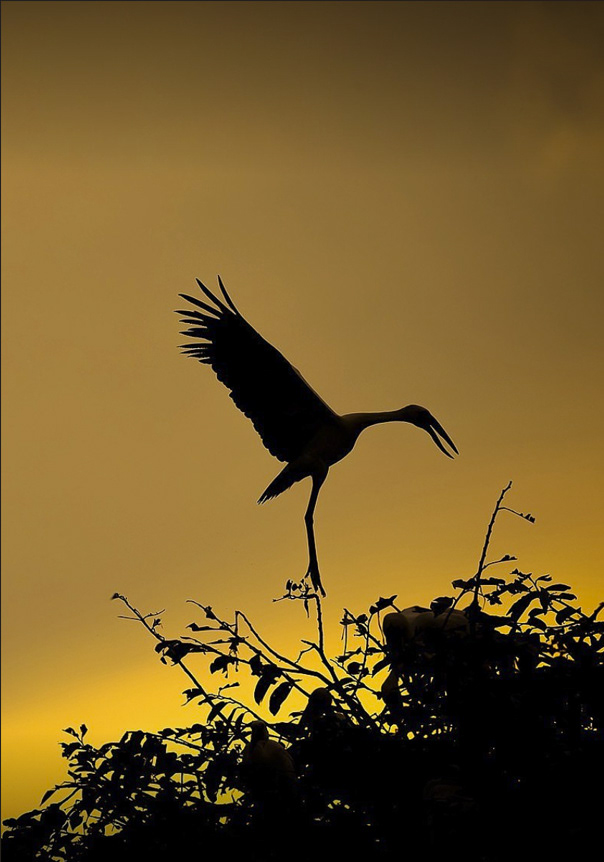
Day 1 - Arrival in to Colombo
Colombo, Sri Lanka’s vibrant capital, is more than just a gateway, it’s a living canvas of history, culture, and quiet natural surprises. Once a vital port along ancient trade routes, its colonial echoes still linger in tree-lined avenues, old churches, and stately mansions. But today, Colombo pulses with a modern rhythm: boutique hotels in restored villas, bustling markets, contemporary art galleries, and a rich blend of Sinhalese, Tamil, and Islamic influences.
For wildlife and bird photography lovers, Colombo offers a gentle introduction. Just beyond the city’s hum, urban wetlands located in and around the capitol Sri Jayawardenapura reveal a world of purple herons, jacanas, and kingfishers and many migrant species, a reminder that nature thrives even in the heart of the city.
We recommend spending at least one night here at the start or end of your journey. And if time allows, a walk with a local naturalist or cultural guide will reveal layers of Colombo most visitors miss from birdsong at dawn to stories etched into its architecture.
Day 2 - Colombo Urban Wetlands
Birdwatching at Thalangama Wetland offers a peaceful escape into one of Colombo’s most rewarding urban wildlife habitats. This tranquil marshland, interspersed with paddy fields and open water, is home to a rich variety of resident and migratory birds. Early mornings are particularly enchanting, as purple herons stalk the reeds, white breasted kingfishers flash their electric blue, and flocks of egrets rise gracefully over the water.
Well maintained walking paths make it easy to explore at a leisurely pace, and the relative lack of crowds allows for unhurried observation and photography. Whether you are an experienced birdwatcher or a casual nature enthusiast, Thalangama Wetland provides a serene window into Sri Lanka’s diverse and vibrant birdlife.
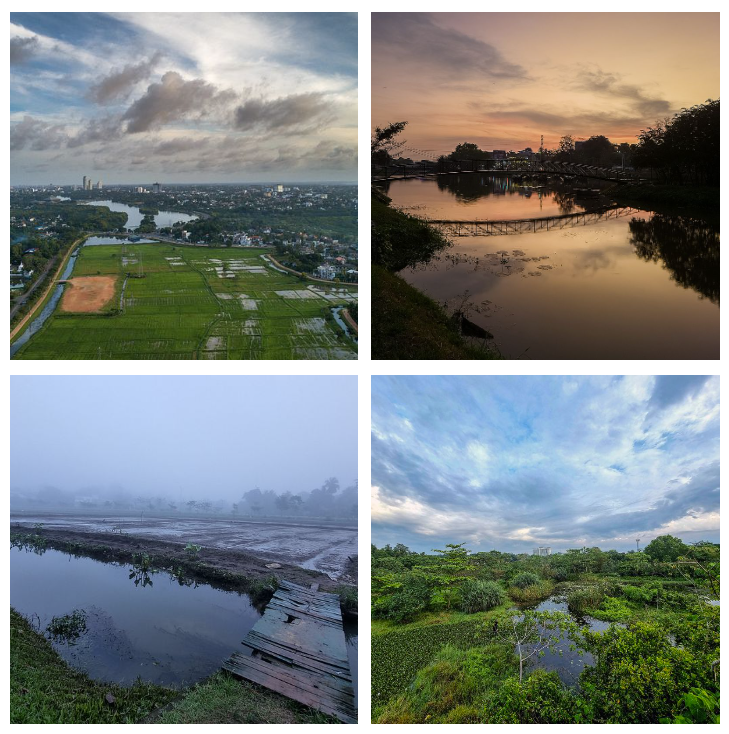
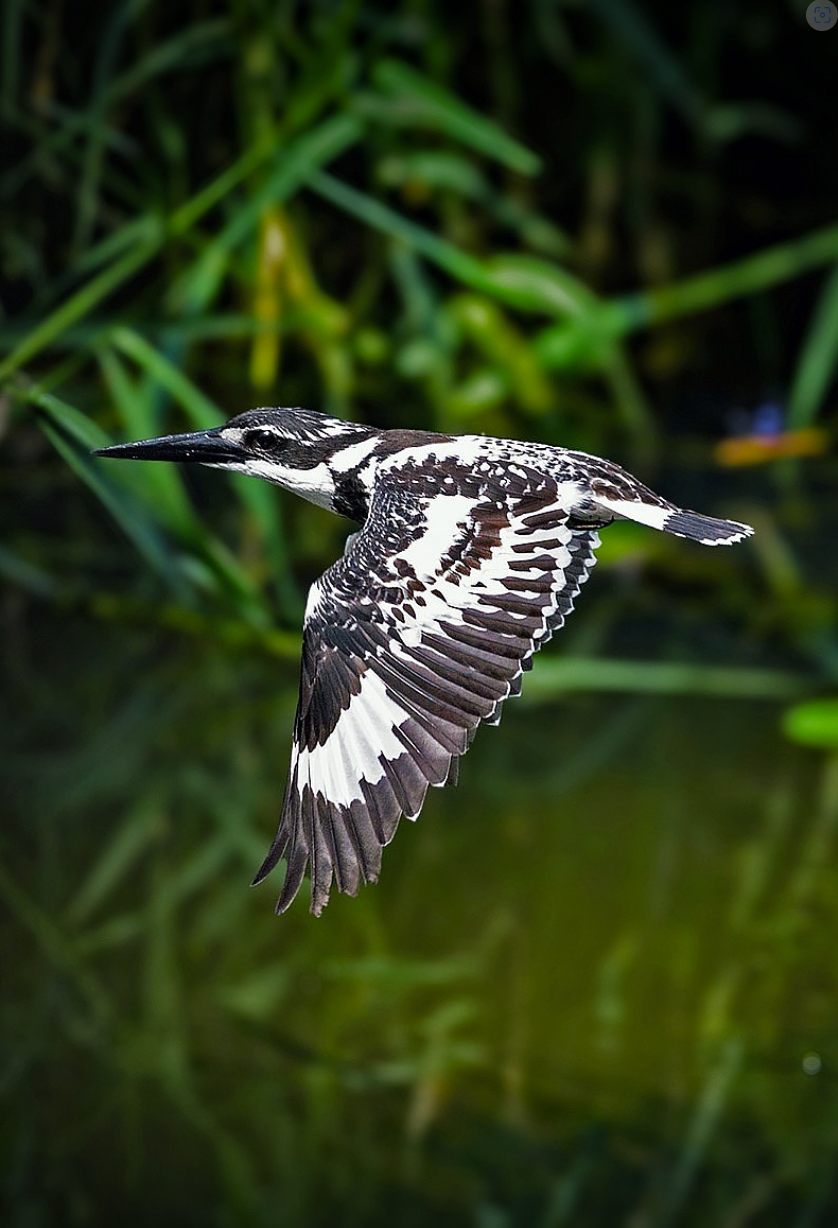
Beddagana Wetland Park — A restored urban wetland with boardwalks, forest patches, and open water ideal for photographing waterbirds, butterflies, and reptiles. Early mornings offer soft light and frequent sightings of herons, cormorants, and kingfishers
Diyasaru Park — One of Colombo’s best urban wildlife sanctuaries, known for migratory birds, purple swamphens, water monitors, and occasional otter sightings. Wide open wetlands make it perfect for action shots like hovering kingfishers and birds in flight.
Thalangama Lake & Wetland — A peaceful marshland with jacanas, herons, egrets, and the iconic Pied Kingfisher. Ideal for slow, patient photography with beautiful reflections at sunrise.
Parliament Lake & Surrounding Green Belt — The landscaped areas around Parliament offer surprising wildlife moments: cormorants drying their wings, bee‑eaters perched on wires, and water monitors gliding through the lake.
Day 3 - Central Hills
Nuwara Eliya sits high up in the tea country and is famous for its cool fresh climate, making it a very popular retreat for the British during the colonial era. For those who like to escape the heat, this will be a welcome respite. Like most parts of the tea country, Nuwara Eliya itself isn't the attraction, it's the incredible scenery surrounding it that dazzles, with undulating roads curving around tea plantations.
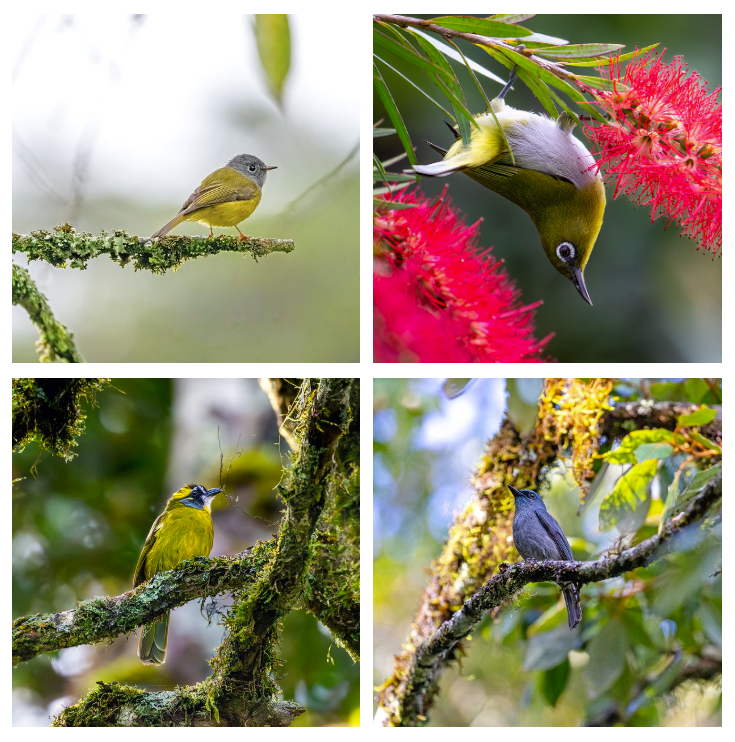
Horton Plains — Cloud‑forest, endemics like the Yellow‑eared Bulbul and Dull‑blue Flycatcher, misty landscapes, grassland textures, and dramatic escarpments perfect for atmospheric frames.
Victoria Park — A hotspot for highland migrant species such as the Kashmir Flycatcher, Pied Thrush, and Indian Pitta; ideal for close‑range portrait shots.
Galway’s Land National Park — Dense forest habitat offering sightings of highland endemics, mixed flocks, and opportunities for intimate forest‑light photography.
Tea Plantations — Rolling green landscapes, workers in the fields, and raptors circling above; perfect for wide‑angle storytelling shots.
Lake Gregory — Waterbirds, reflections, and early‑morning light ideal for serene, minimalist compositions.
Cloud‑Forest Trails — Moss‑covered trees, orchids, and the chance to photograph species like the Sri Lanka Wood Pigeon and Sri Lanka Bush Warbler.
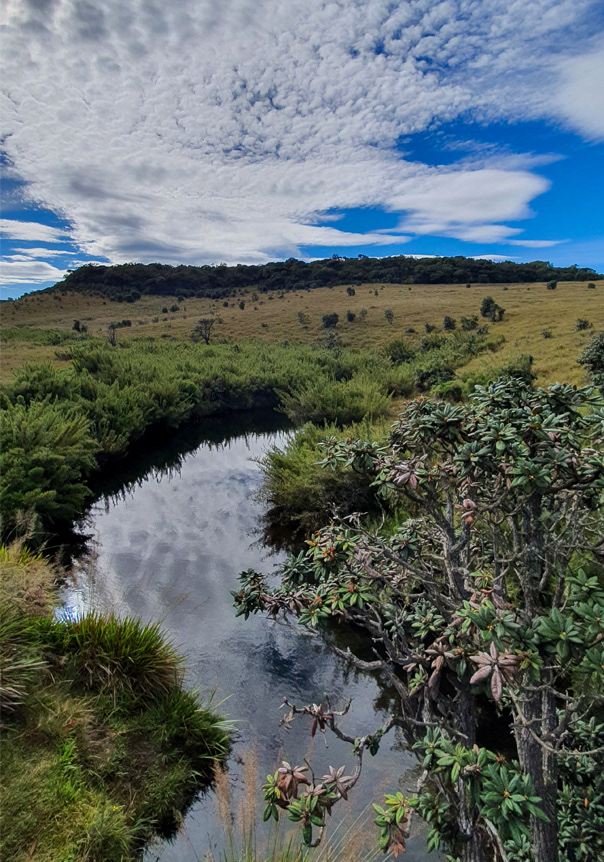
Day 4 - Horton Plains National Park
Trek across Sri Lanka’s highest plateau and step into the island’s only true cloud forest, a landscape shaped by altitude, mist, and time. At 2,100–2,300 metres, Horton Plains supports a remarkable collection of high‑altitude plant life, from wind‑sculpted rhododendrons to dwarf bamboo found nowhere else in the country. The air is cool, the light soft, and the silence broken only by the calls of highland endemics.
This is one of the most rewarding locations for wildlife and bird photography in the hill country. Early mornings often reveal the Yellow‑eared Bulbul, Dull‑blue Flycatcher, and mixed flocks moving through the forest edge. With luck and patience you may even glimpse the elusive highland leopard that roams these grasslands. The shifting mist, dramatic escarpments, and textured grasslands offer endless opportunities for atmospheric landscape shots as well.
Your guide will share insights into the geological forces that carved the famous World’s End escarpment, while helping you spot birdlife, unique flora, and the subtle details that make this plateau so extraordinary. Morning visits are essential, as clouds gather later in the day and often sweep across the 1,200‑metre drop, hiding the vast southern plains below.
Horton Plains is a place where every step reveals a new frame a landscape made for those who love light, mood, and the quiet thrill of discovery.
Day 5 - Yala National Park
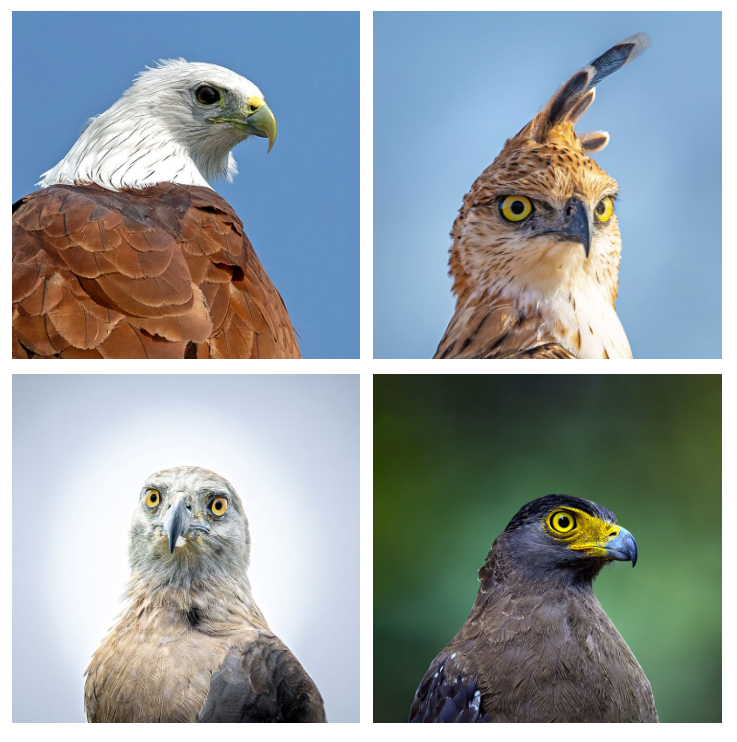
Yala National Park, situated in the south eastern corner of the island, is home to one of the greatest variety of Sri Lankan wildlife and is arguably Sri Lanka's most famous national park. Made up of seven different 'blocks', most visitors spend their time in block 1 or 5 depending on where their accommodation is located.
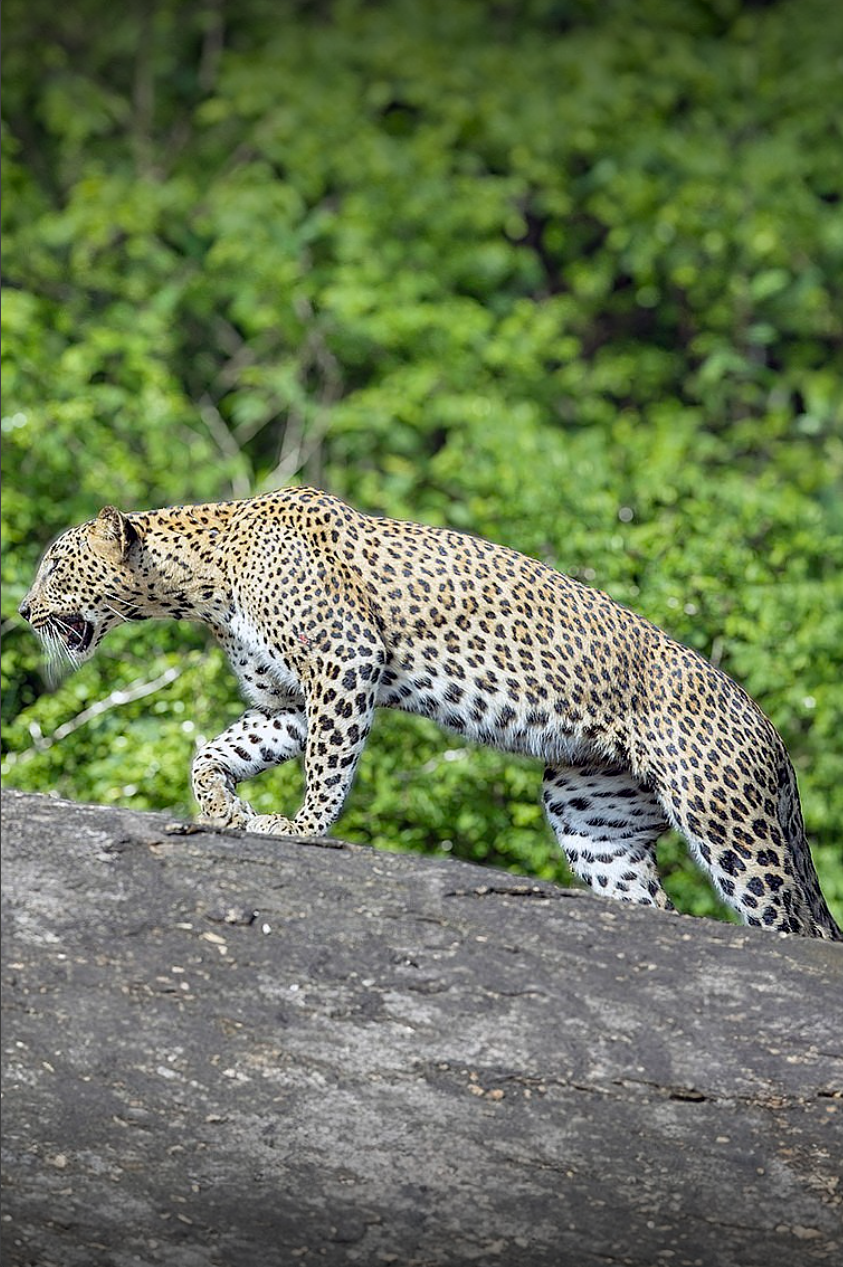
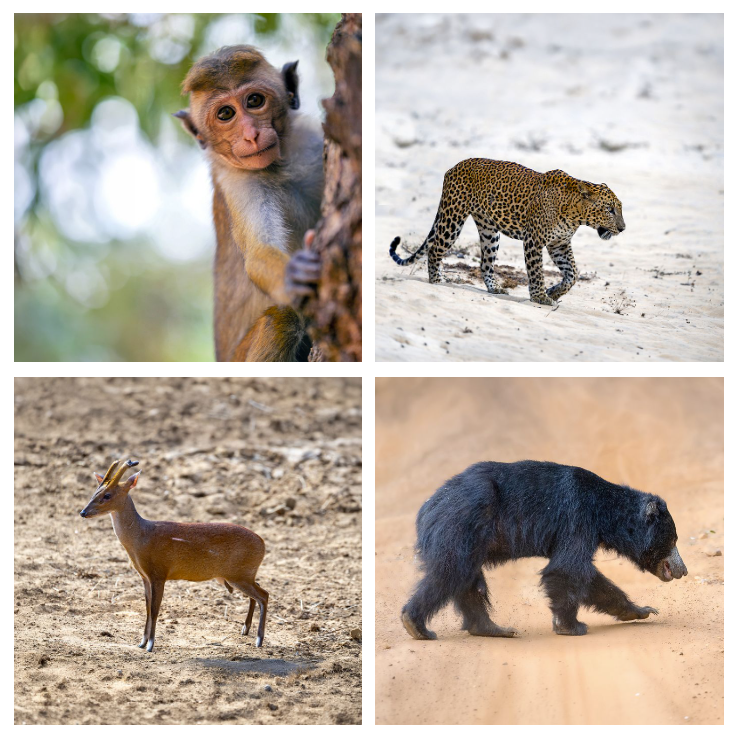
Its varying habitats, consisting of scrub plains, jungles, rocky outcrops, fresh water lakes, rivers and beaches, provides home to many animals including sloth bear, elephants, buffalo, monkeys, deer, crocodiles and of-course the Sri Lankan leopard. During high season the park can become very popular, so for those passionate about wildlife, it's perhaps worth visiting during quieter off-season months when there are fewer jeeps in side the park.
Day 6 - Yala National Park
Set out early on a morning jeep safari with your chauffeur-guide to explore Sri Lanka's most renowned national park. This 979 square kilometre reserve boasts the planet's highest density of leopards, although like all wildlife, these elusive predators can never be guaranteed. The cool morning hours offer your best chance of witnessing these elusive spotted cats as they patrol their territories or rest in the shade of ancient trees. Your experienced tracker-guide reads the subtle signs such as tracking their prints or listening for alarm calls of spotted deer.
Of course leopards are only one of many fascinating species to discover here, and we recommend enjoying all of the wildlife riches the park has to offer, including elephants, sloth bear, crocodile, water buffalo and nearly 200 bird species.
Discover Yala's dramatic landscapes and wildlife behaviour during the enchanting afternoon hours on a safari jeep with your chauffeur-guide. As the day's heat begins to fade, this 979-square-kilometre leopard kingdom reveals different secrets elephants bathing in hidden waterholes, crocodiles basking on muddy banks, and peacocks displaying their magnificent plumage.
The warm afternoon light creates perfect conditions for photography, whilst your skilled guide shares stories of individual leopards and their territories, offering insights into the ongoing conservation efforts that protect these irreplaceable wild spaces for future generations.
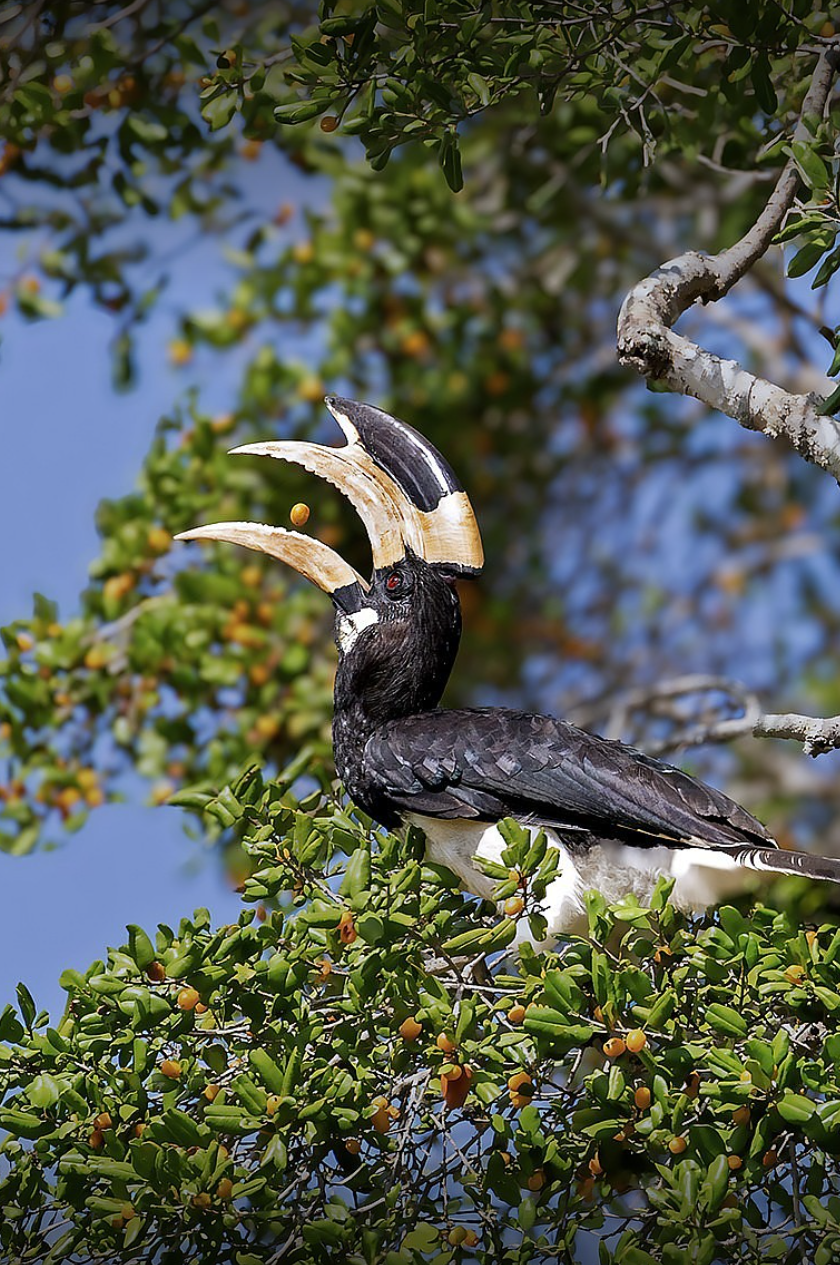
Day 7 - Yala National Park / Tangalle
Set out early on a morning jeep safari with your chauffeur-guide to explore Sri Lanka's most renowned national park. This 979 square kilometre reserve boasts the planet's highest density of leopards, although like all wildlife, these elusive predators can never be guaranteed. The cool morning hours offer your best chance of witnessing these elusive spotted cats as they patrol their territories or rest in the shade of ancient trees. Your experienced tracker-guide reads the subtle signs such as tracking their prints or listening for alarm calls of spotted deer.
Of course leopards are only one of many fascinating species to discover here, and we recommend enjoying all of the wildlife riches the park has to offer, including elephants, sloth bear, crocodile, water buffalo and nearly 200 bird species.
Located on Sri Lanka's Southern coastline, Tangalle (otherwise known as Tangalla) is a low key town, but what makes this area stand out are the beaches, coves and rocky outcrops that line the coast. Tangalle and its surrounding beaches are located much further east than some of the more developed areas of the south coast, and therefore there's a sense of space with glorious views of the Indian ocean.
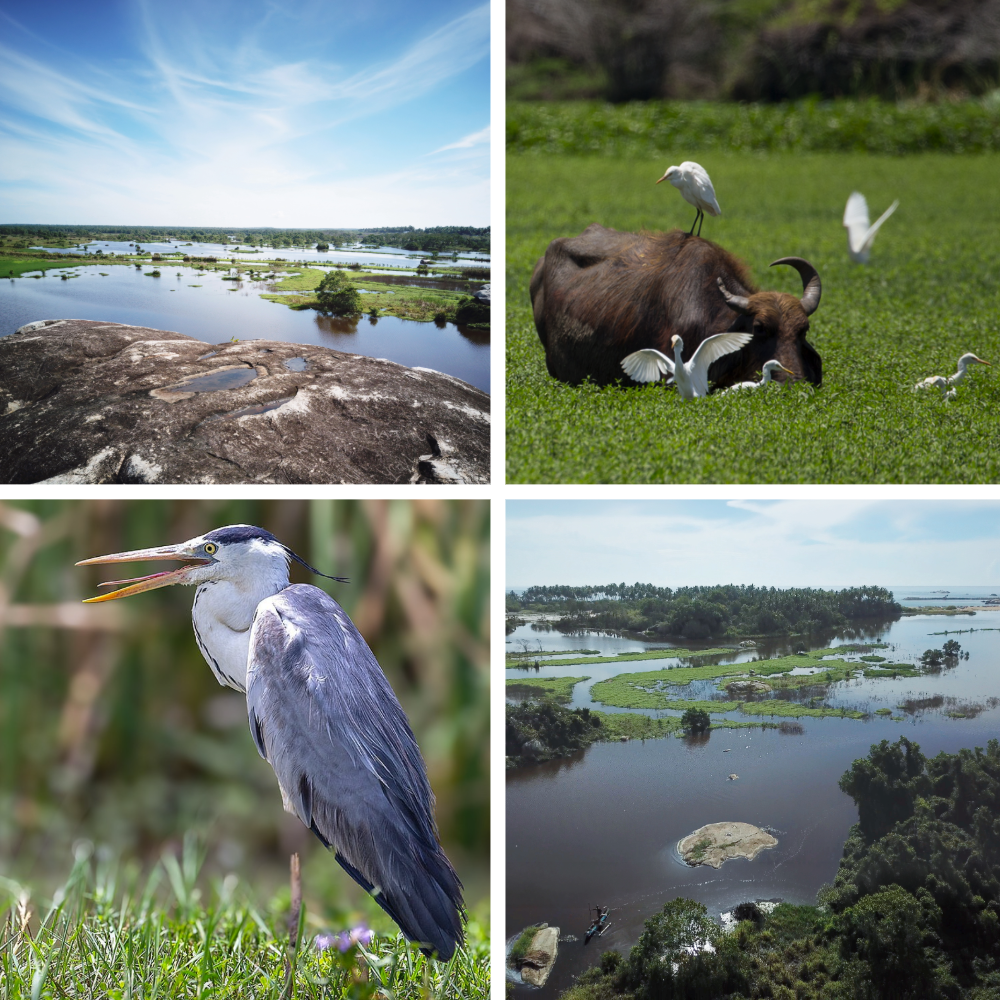
Discover the serene beauty of Kalametiya Bird Sanctuary, near Tangalle, one of Sri Lanka’s oldest and most treasured wetlands. This enchanting lagoon, adorned with mangroves and marshes, is a haven for a rich variety of resident and migratory birds. Glide peacefully along the calm waters on a boat ride and witness herons, egrets, kingfishers, and countless other species in their natural habitat. Unlike the bustling parks, Kalametiya offers an intimate, tranquil birdwatching experience perfect for those seeking a genuine connection with nature.
Day 8 - Sinharaja Rain Forest
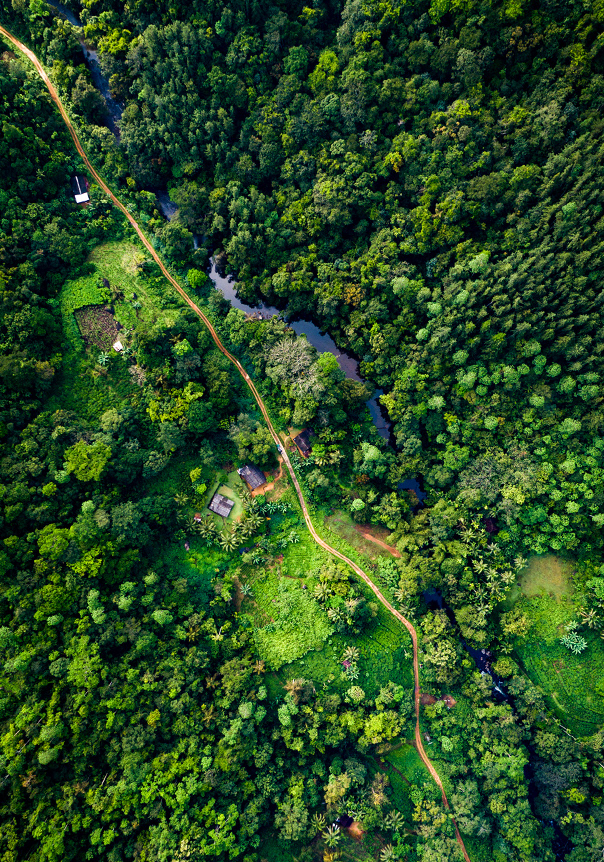
Sri Lanka’s last great stretch of lowland tropical rainforest, a UNESCO World Heritage Site and one of the most important biodiversity hotspots in Asia. Spanning over 11,000 hectares, this ancient forest shelters extraordinary life, with more than half of its 830 plant species found nowhere else on Earth.
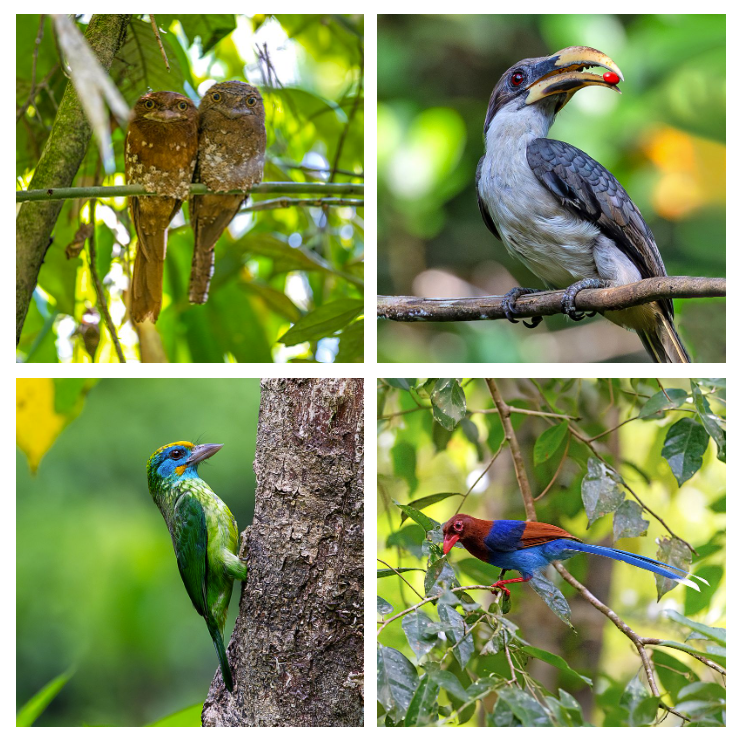
On your first day, you’ll be introduced to the forest’s atmosphere: towering trees draped in vines, filtered light falling through the canopy, and the constant hum of insects and birds hidden in the shadows. Endemic species such as the Sri Lankan blue magpie, Red‑faced Malkoha, and purple‑faced langur are often seen along the forest edges and trails.
This initial exploration sets the tone slow, immersive, and deeply connected to the rhythms of the rainforest. It’s a chance to understand the landscape, adjust to its light and movement, and begin noticing the subtle signs that reveal where wildlife is hiding.
Day 9 - Sinharaja Rain Forest
Explore Sri Lanka's last primary rainforest, Sinharaja, with your chauffeur-guide. This UNESCO World Heritage site protects exceptional biodiversity, where more than 60% species of flora and fauna found are endemic. The 8,864-hectare reserve represents lowland wet zone ecosystems that once covered much of southwestern Sri Lanka before agricultural conversion.
Your chauffeur-guide will coordinate with certified naturalist guides who will share more about forest ecology whilst explaining conservation challenges. They will also explain about current research programmes studying tropical rainforest dynamics and the impact climate change on the ecosystem here.
Day 10 - Negombo
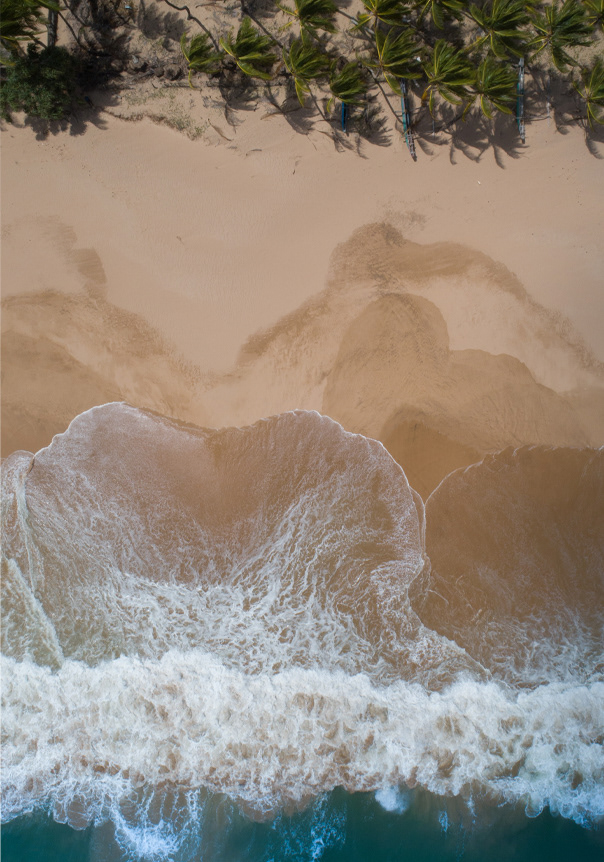
A coastal city located just north of Colombo, known for its busy fishing industry and relaxed beach atmosphere, with several large resorts and a few small boutique properties. Historically significant as a port town, it showcases a blend of colonial architecture and local culture. The city features a network of canals, remnants of Portuguese influence, which adds to its character.
Negombo Lagoon is a notable area where visitors can observe local fishing activities and various bird species. The city’s seafood scene is vibrant, with many restaurants serving freshly caught fish. The Negombo Fish Market is a popular spot, offering a glimpse into the daily life of the local community. In addition to its fishing heritage, Negombo is home to several churches and temples, reflecting its diverse religious landscape. With its mix of cultural elements and coastal charm, Negombo provides a laid-back experience for travelers looking to explore this part of Sri Lanka.